Most of us know that too much sugar is bad for our teeth. What is less commonly understood is that the acidity of some foods and drinks can also cause problems as well. Acid can gradually wear away the enamel that protects our teeth. This is known as dental erosion and, unlike tooth decay, it doesn’t involve bacteria eating away at the tooth. It is the acid itself that causes the damage.
The occasional acidic drink or food is unlikely to cause a problem. The concern is more about frequent exposure, particularly when acidic things are consumed throughout the day.
There are probably more acidic foods and drinks in your diet than patients of Blake Dental might realise. Fizzy drinks are an obvious example, including many sugar-free varieties. Fruit juices and smoothies can also be acidic, as can energy and sports drinks.
Some fruits are naturally acidic too. Oranges, lemons, limes, grapefruit and some berries all contain acids. Vinegar and foods made with vinegar, such as pickles and some salad dressings, are another source.
This doesn’t mean that all of these foods are unhealthy or that they should be avoided at all cost. Fruit, for example, is an important part of a healthy diet. The problems it can cause for your teeth is predominantly about how often they are exposed to the acid and how long it remains in contact with them.
Tooth enamel is extremely hard, but it is not indestructible so when the teeth come into contact with the acids, minerals can be drawn out of the enamel. If this happens only occasionally, saliva can play an important role in helping. It can neutralise acids and supply minerals which assist with the natural repair of the tooth surface.
If the teeth are exposed to acid repeatedly however, this natural recovery may not be enough. Slowly, over time, the enamel is likely to become thinner. Once enamel has been lost, the body cannot simply grow it back and the risk of tooth decay and sensitive teeth increases.
As the enamel erosion generally happens quite slowly, there may be no immediate symptoms for you to notice. Over time though, you might notice that hot and cold foods become more uncomfortable to eat and drink as your teeth become more sensitive. In more advanced cases, the signs might be visible with teeth starting to appear a little transparent or even shorter in length.
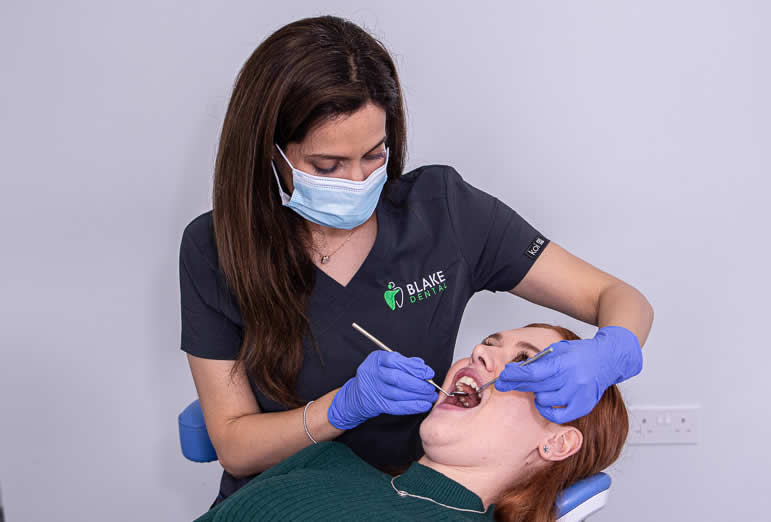
Because this process is usually slow, it can be difficult to spot yourself. Regular dental examinations at our Witham dental practice give us an opportunity to look for early signs before the problem becomes more advanced.
Fizzy drinks are often blamed for enamel erosion, and with good reason, but they are not the only concern. Fruit juice can contain natural sugars as well as acids, while some sports and energy drinks can be very acidic. Wine is another acidic drink, particularly when it is consumed regularly.
Even apparently healthy habits can sometimes have implications for the teeth. Sipping lemon water throughout the day, for example, may sound like a healthy way to drink more water, but it means your teeth are being repeatedly exposed to acid.
Again, this does not mean that you need to stop eating fruit or drinking a particular beverage altogether but you should take a look at how often you consume them.
One of the simplest ways for our Witham dental patients to reduce acid exposure is to avoid having acidic drinks throughout the day. If you enjoy fruit juice, for example, having a small glass with a meal is generally preferable to slowly drinking it over several hours.
The same applies to fizzy drinks and other acidic beverages. Keeping them to mealtimes rather than carrying one around and taking regular sips gives your mouth longer periods in between which to recover and the enamel to remineralise. While the occasional fizzy drink may not cause too much harm, for regular hydration, water is your best friend.
It might seem the obvious thing to do to brush your teeth immediately after eating or drinking something acidic. In fact, this will only add to the damage caused to your teeth. As acid temporarily softens the outer surface of the teeth. Brushing immediately afterwards can potentially contribute to further wear. Instead, rinse your mouth with water and give your teeth some time to recover before brushing.
Your saliva does a great deal of work to protect your teeth. It helps to wash away food and drink, neutralise acids and supply minerals to the tooth surface. This is one reason why a dry mouth can increase the risk of dental problems.
Chewing sugar-free gum after a meal can stimulate saliva production and may help the mouth return to a more neutral environment. A small piece of cheese at the end of a meal also helps to reduce the acidity within the oral cavity.
There is no need to become obsessed with avoiding acidic foods. Many of them, particularly fruits and vegetables, are perfectly healthy and should remain part of a balanced diet. Try to keep acidic foods and drinks mainly at mealtimes, choose water between meals, avoid sipping acidic drinks over long periods and do not brush immediately after consuming something acidic.
Brushing twice a day with fluoride toothpaste also helps protect the teeth by strengthening the enamel, while regular dental check-ups allow early signs of erosion to be identified. Acid erosion is generally a gradual process, and making a few changes to your everyday habits can help reduce the amount of acid your teeth encounter.
If you have noticed some tooth sensitivity, it is wise to have this checked sooner, rather than later. You can do this by booking an appointment at Blake Dental by calling us on 01376 501688.
Design by Dental Media
Katie Annabel Blake trading as Blake Dental is an Introducer Appointed Representative of Financing First Limited, which is authorised and regulated by the Financial Conduct Authority. Katie Annabel Blake is a credit broker, not a lender. The provider of a payment scheme which is not offered through or by Financing First Limited may not be so authorised and regulated.


